
Summary: Persistent bedwetting in children is sometimes a symptom of obstructive sleep apnea, not a bladder problem. When the airway is blocked during sleep, the body releases hormones that increase urine production overnight. Treating the underlying airway issue often resolves the bedwetting. A pediatric airway evaluation can identify whether sleep-disordered breathing is the root cause.
What this article covers
- Why bedwetting and sleep apnea are connected
- Signs your child’s bedwetting may be airway-related
- What’s happening in the body overnight
- How an airway evaluation works
- Treatment paths that address the root cause
- When to ask for an evaluation instead of waiting it out
- Frequently asked questions
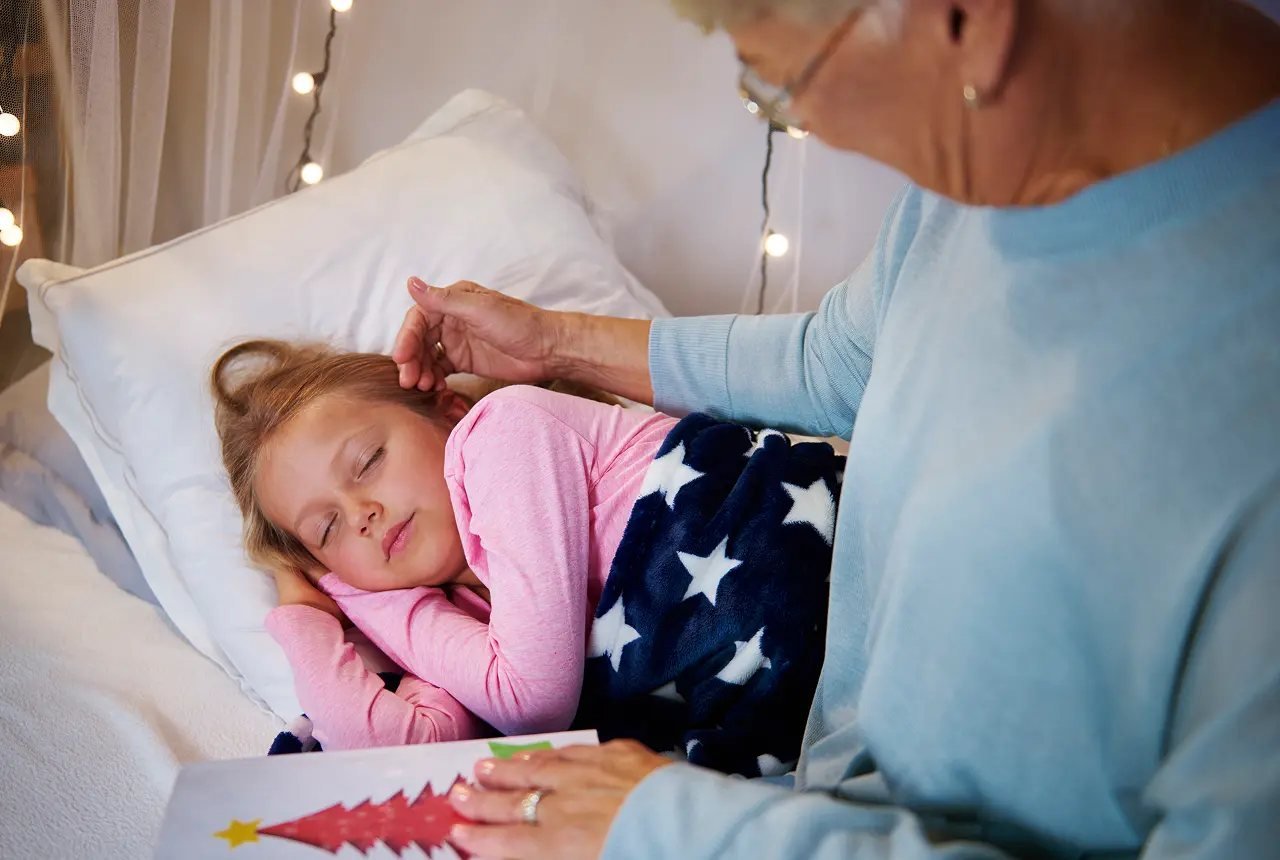
Most parents are told that bedwetting is a phase, that the child will grow out of it, and that the issue lives somewhere between the bladder and the brain. That advice is right for many children. For others, it misses the actual problem.
A growing body of pediatric research has connected nighttime bedwetting (nocturnal enuresis) with obstructive sleep apnea in children. When the airway narrows during sleep, the body responds in ways that include increased urine production at night. Treating the apnea often resolves the bedwetting. This guide explains the connection and what an airway evaluation can reveal.
Why bedwetting and sleep apnea are connected
Pediatric sleep apnea changes how a child’s body regulates fluids at night. When the upper airway is partially blocked during sleep, the chest works harder to pull in air. That extra effort triggers the release of a hormone called atrial natriuretic peptide, which signals the kidneys to produce more urine. The result: a fuller bladder during a sleep stage when the child is less able to wake up to use the bathroom.
Studies in the journal Pediatrics and the Journal of Urology have documented this connection. In children with both bedwetting and obstructive sleep apnea, treating the airway problem resolves the enuresis in a substantial percentage of cases. This is why an airway evaluation for children is worth considering when other approaches haven’t helped.
Signs your child’s bedwetting may be airway-related
Bedwetting linked to sleep apnea usually comes with other clues. Snoring is the most common, but it’s not the only one. Parents often notice that the child sleeps with the mouth open, sweats heavily at night, breathes loudly, or seems exhausted in the morning despite a full night in bed.
Other signs include daytime behavior issues that look like ADHD, difficulty concentrating at school, restless sleep, frequent night waking, and persistent mouth breathing patterns in children. None of these confirms sleep apnea on its own, but together they shift the picture from a bladder issue to an airway issue worth investigating.
What’s happening in the body overnight
During healthy sleep, the body cycles through deep stages where breathing is steady, hormones rebalance, and the bladder slows urine production. In a child with sleep-disordered breathing, those stages get interrupted. Oxygen levels can dip. The brain pulls the body out of deep sleep repeatedly to keep breathing going.
The cascade affects more than sleep quality. Growth hormones are released in the deepest stages of sleep. Disrupted nights can affect daytime energy, focus, mood, and growth itself. The bedwetting is a downstream symptom of a broader nighttime breathing problem.
How an airway evaluation works
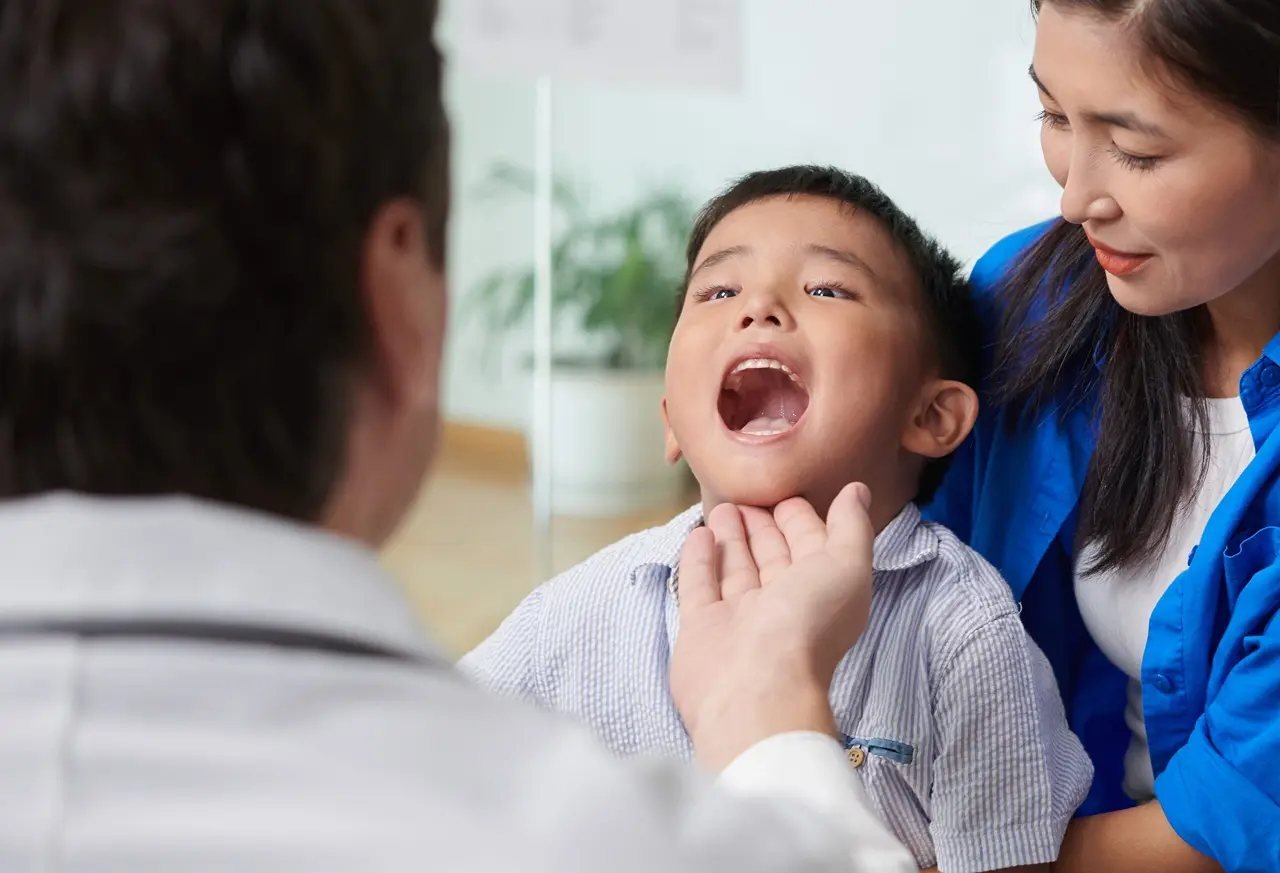
A pediatric airway evaluation looks at how a child breathes day and night, the structure of the upper airway, the position of the tongue, the shape of the palate and jaws, and the function of the nose. It is different from a standard pediatric checkup because the focus is specifically on whether the child’s airway supports healthy sleep. Child services at Breathing Wellness Orlando include developmental screenings that flag airway-related issues early.
If sleep apnea is suspected, the next step is usually a pediatric sleep study (polysomnography) to confirm the diagnosis. The American Academy of Pediatrics recommends sleep studies for children with snoring plus other symptoms like bedwetting, daytime sleepiness, or behavioral concerns.
Treatment paths that address the root cause
Treatment depends on what the evaluation finds. For some children, removing enlarged tonsils and adenoids resolves the obstruction and the symptoms that came with it. For others, the airway needs more structural support. That’s where dental and orthodontic options come in.
Pediatric airway dentistry uses growth-guided appliances to expand the palate, encourage proper tongue posture, and create more room for the developing airway. Palatal expansion for children and the Vivos Guides system are two examples of devices used at Breathing Wellness Orlando to address airway issues during development, when the bones are still adapting.
When to ask for an evaluation instead of waiting it out
Pediatricians often suggest waiting on bedwetting because many children genuinely outgrow it. But waiting makes less sense when other signs of sleep-disordered breathing are present. Snoring plus bedwetting is a different picture than bedwetting alone. So is bedwetting in a child who is also struggling with attention, energy, or growth.
If your child is older than five, still wetting the bed multiple nights per week, and showing any of the airway signs above, an evaluation is reasonable. The downside of getting evaluated is small. The upside, if airway issues are the cause, is fixing something that affects sleep, behavior, and development all at once. You can schedule a developmental airway screening for your child today.