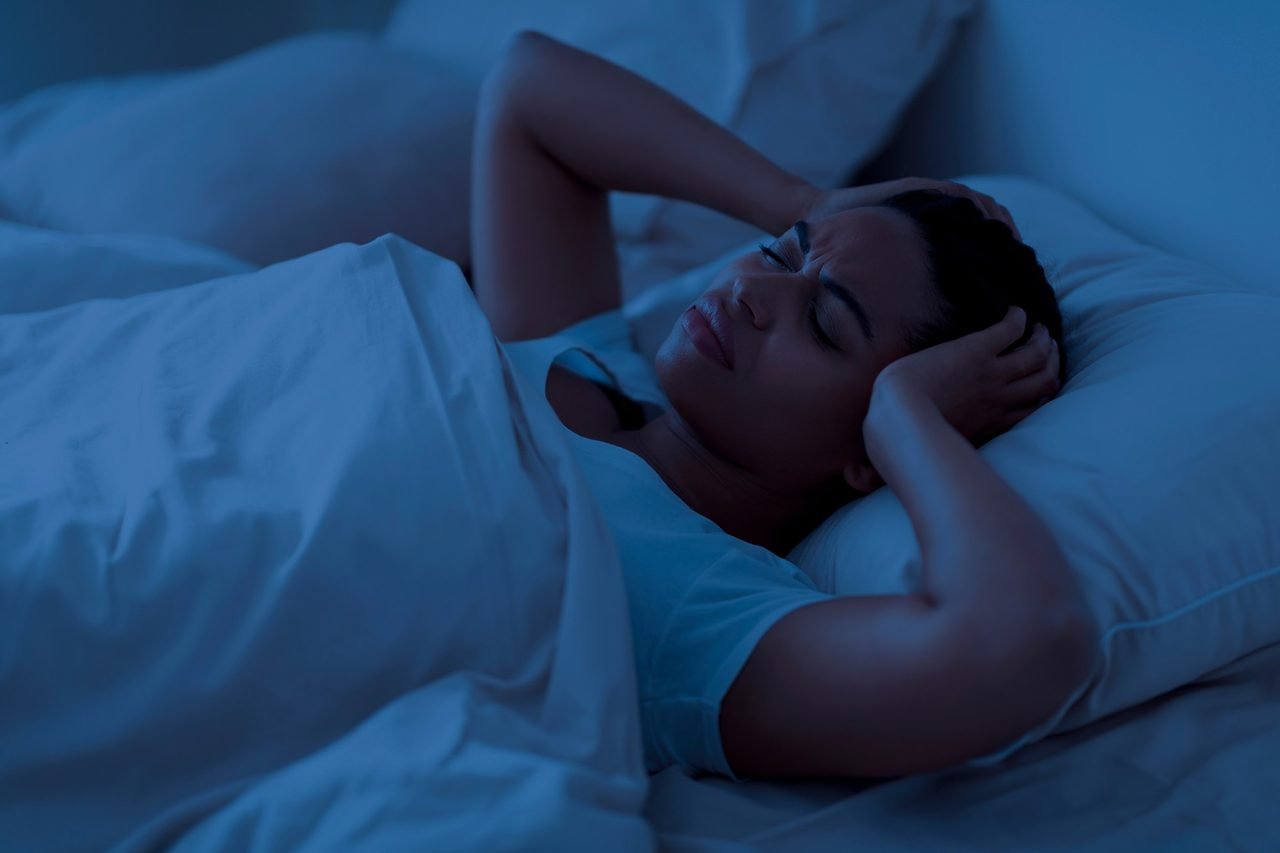


Summary: Clenching your jaw at night is a distinct habit from grinding, and it is commonly associated with stress, tension, and other facial pain concerns. Breathing Wellness Orlando lists it as one of the conditions covered under facial pain, and the practice offers a free evaluation of facial and jaw pain as a starting point for understanding what may be contributing to it.
Waking up with a sore jaw, or being told by someone that you clench your teeth at night, is a common enough experience that it is easy to brush off. Clenching is its own distinct habit, separate from grinding, and it is one of the conditions Breathing Wellness Orlando lists under facial pain.
This guide covers common causes behind nighttime jaw clenching, how it relates to other facial pain concerns the practice addresses, and when it might be worth having it looked at rather than living with it.
Because clenching often happens while you are asleep, it is easy to go a long time without realizing it is happening at all, until a partner mentions it or you start noticing the effects during the day.
What causes jaw clenching at night
Nighttime jaw clenching does not have a single cause, and the table below covers some of the general factors commonly discussed in connection with it.
| General factor | How it commonly relates |
|---|---|
| Stress and tension | Often mentioned as a contributor to clenching, particularly during sleep |
| Sleep quality | Clenching is sometimes noticed alongside other sleep-related concerns |
| Jaw alignment | Can be a factor for some patients, alongside other facial pain conditions |
| Related facial pain conditions | Clenching is frequently discussed together with TMJ/TMD and related symptoms |
Because clenching can relate to more than one underlying factor, and because those factors vary from person to person, an individual evaluation is the most reliable way to understand what applies to your specific situation.
Clenching can happen without a person ever fully waking up during the night, which is part of why it often goes unnoticed for a while. Some patients only become aware of it after someone else mentions hearing or noticing it, or after they start paying closer attention to how their jaw feels first thing in the morning. In adults, disrupted sleep like this has also been tied to broader health effects that go beyond jaw discomfort alone.
Facial pain evaluations at Breathing Wellness Orlando
Jaw clenching is one of the conditions Breathing Wellness Orlando lists under its facial pain category, alongside a broader group of related conditions and symptoms.
The practice offers a free evaluation of facial and jaw pain, which is where a conversation about clenching typically starts. You can learn more about facial pain care at the practice and what it covers.
Want to have your jaw clenching looked at? Schedule an appointment with Breathing Wellness Orlando.
How clenching relates to other facial pain concerns
Clenching rarely comes up entirely on its own. A facial pain evaluation is built to connect it with the related conditions and symptoms below.
| Related condition or symptom | Category |
|---|---|
| TMJ / TMD | Orofacial |
| Bruxism (teeth grinding) | Orofacial, distinct from clenching |
| Tension headaches | Associated symptom |
| Muscle spasms | Associated symptom |
| Neck, shoulder, and back pain | Associated symptom |
If you notice more than one of these alongside your jaw clenching, that is useful information to bring up during a facial pain evaluation, since it gives the practice a fuller picture of what you are experiencing. Grinding in particular has its own overlap with sleep, which we cover in teeth grinding and sleep apnea.
Patients sometimes assume these symptoms are unrelated to each other, especially when they show up in different parts of the body, like a headache versus shoulder tension. Bringing all of them into the same conversation, rather than mentioning only the one that feels most obvious, tends to give a more complete picture to work from.
When it might be worth getting checked
There is no single rule for when jaw clenching becomes worth addressing, since that depends on your own experience. That said, a few common observations are often what prompt patients to reach out.
Worth mentioning at an evaluation: If you regularly wake up with a sore or tired jaw, someone has told you that you clench or grind at night, you experience frequent tension headaches, or you notice neck, shoulder, or back discomfort alongside jaw soreness, these are all worth bringing up during a facial pain evaluation.
None of these signs on their own necessarily mean something is seriously wrong, and plenty of people experience one or two occasionally without it being a significant concern. What tends to matter more is whether these patterns are frequent, ongoing, or getting more noticeable over time, since that is generally a better reason to have things looked at than a single rough night.