

Summary: Airway obstruction in adults can show up at night, during the day, or both, and the signs are not always obvious to the person experiencing them. Commonly recognized indicators include snoring, pauses in breathing noticed by others, and daytime sleepiness. Breathing Wellness Orlando offers a free sleep, breathing, and airway evaluation for adults as a starting point for understanding what may be going on.
Airway obstruction does not always announce itself clearly. For some adults it shows up mainly at night, as snoring or restless sleep a partner notices. For others, it shows up during the day, as tiredness or trouble concentrating that is easy to attribute to a busy schedule instead.
This guide covers commonly recognized signs of airway obstruction in adults, where Breathing Wellness Orlando's own evaluation services fit in if any of these sound familiar, and when it might be worth having things checked rather than assuming it will pass.
Recognizing one of these signs in yourself does not automatically mean something is seriously wrong. The point of this guide is awareness, not diagnosis, so that you have a clearer sense of what to bring up if and when you do talk to Breathing Wellness Orlando.
Common signs of airway obstruction
Signs of airway obstruction can appear at night, during the day, or both. The table below groups commonly recognized indicators, drawn from general patient education resources, into these two categories.
| When it shows up | Commonly recognized signs |
|---|---|
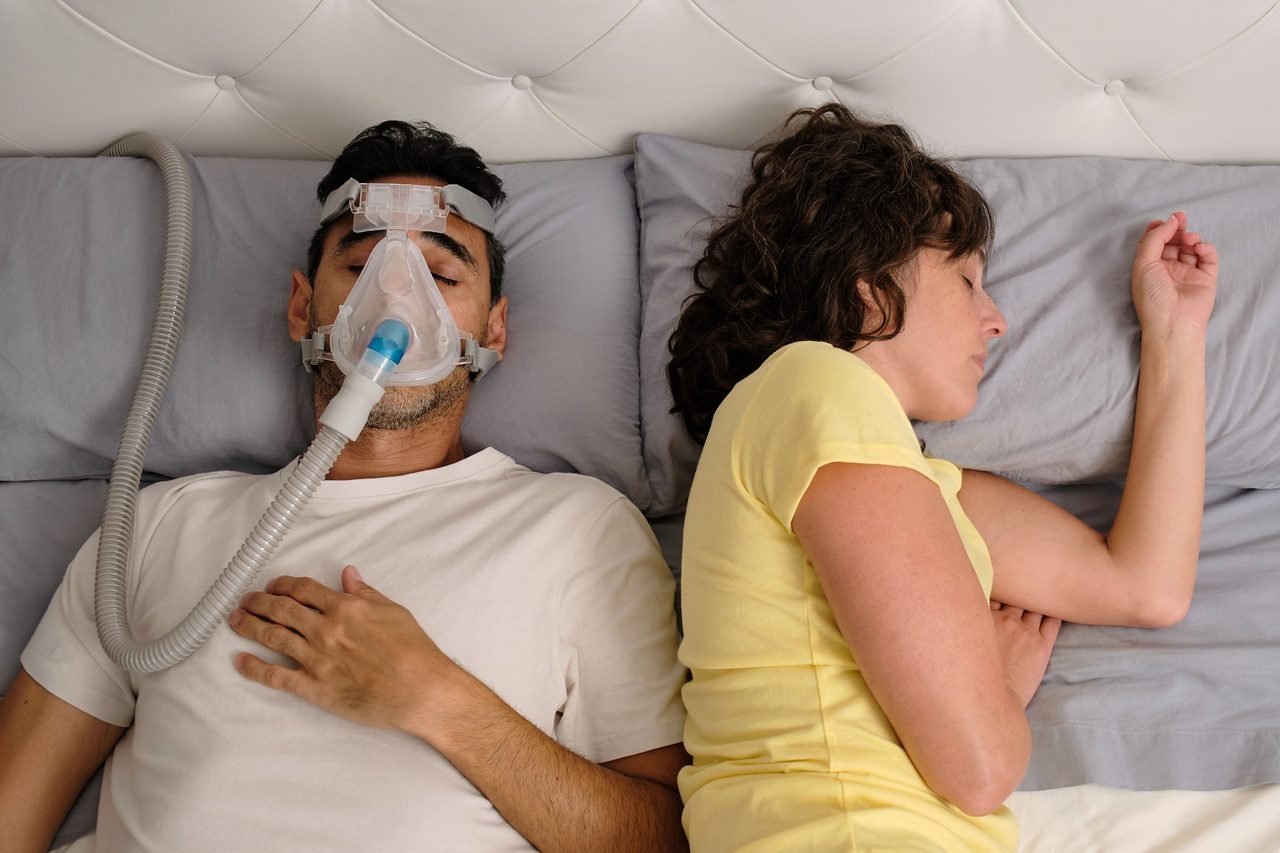
| At night | Snoring, pauses in breathing that a partner notices, restless sleep, waking up gasping or choking |
| During the day | Feeling tired despite a full night's sleep, morning headaches, difficulty concentrating |
According to the American Academy of Sleep Medicine, these kinds of signs are commonly associated with airway and sleep-related breathing concerns, though experiencing one does not automatically mean a serious problem is present. An individual evaluation is the only reliable way to understand what applies to your specific situation.
Nighttime signs are often easier for someone else to notice than for the person experiencing them, since they happen during sleep. Daytime signs, on the other hand, are usually more noticeable to the person themselves, even if it is easy to attribute them to something else, like a busy week or poor sleep the night before. Morning headaches in particular have their own connection to sleep, covered in morning headaches and sleep apnea.
Sleep, breathing, and airway evaluations at Breathing Wellness Orlando
Breathing Wellness Orlando offers a free sleep, breathing, and airway evaluation for adults, which is where a conversation about signs like these typically starts.
If any of the signs above sound familiar, the practice's Adults page covers the health effects worth understanding, and scheduling a free consultation is the next step to get them checked.
Recognize some of these signs in yourself? Schedule an appointment with Breathing Wellness Orlando.
Free sleep apnea screening
Snoring and sleep apnea are among the signs this guide covers, and if that is your main concern, sleep apnea and snoring is where to read more about that specific condition.
Requesting a free consultation is the same first step either way. You do not need to work out beforehand whether general airway obstruction, sleep apnea, or something else best describes what you are experiencing. That is what the conversation with the practice is for.
If you would rather ask a question first instead of requesting the consultation directly, that is reasonable too. You can contact the practice and go from there.
When it is worth getting checked
There is no single rule for when airway obstruction signs become worth addressing, since that depends on your own experience and how these signs show up for you.
Worth mentioning at an evaluation: If you or a partner has noticed snoring, pauses in breathing, or gasping during sleep, or if you regularly feel tired during the day despite what should be enough sleep, these are all worth bringing up. Frequent or ongoing patterns are generally a better reason to get checked than a single rough night.
It can also help to think about how long these signs have been present. Something that started recently and coincides with an obvious cause, like a cold or a particularly stressful stretch, is a different picture than something that has been going on for months without an obvious explanation. Either way, mentioning the timeline during an evaluation gives the practice more to work with.
Video