
Summary: Memory consolidation depends on uninterrupted deep and REM sleep, and untreated sleep apnea fragments both. Research has found associations between sleep disordered breathing and cognitive change, though association is not proof of cause. Memory symptoms have many possible explanations and should be evaluated by a physician rather than attributed to one condition.
What this article covers
- Why sleep and memory are connected
- What untreated sleep apnea does to that process
- What the research does and does not show
- Symptoms people notice before they notice the snoring
- When memory changes warrant a medical evaluation
- Frequently asked questions
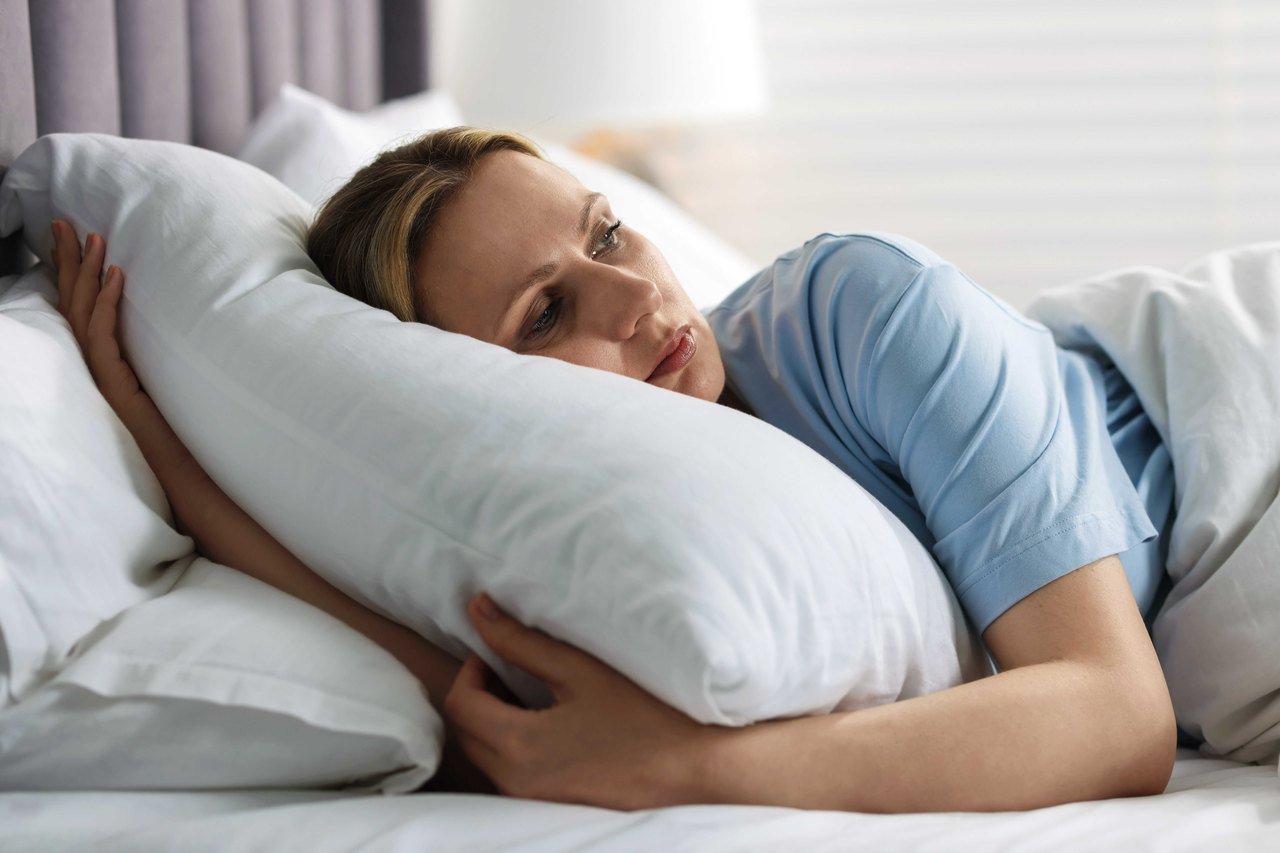
Forgetting where you put the keys is not a diagnosis. But when the forgetfulness is paired with waking up tired every morning, losing the thread mid sentence, and a partner who mentions that you stop breathing at night, the pieces may belong to the same picture.
This guide covers why memory depends on specific stages of sleep, what interrupted breathing does to those stages, what the research on sleep apnea and cognitive change actually supports, and the point at which memory symptoms should be evaluated by a physician rather than explained away.
Why sleep and memory are connected
Memory is not stored at the moment something happens. What you experience during the day is held temporarily and then reprocessed during sleep, moving toward more durable storage. That reprocessing is concentrated in specific stages: deep slow wave sleep, associated with consolidating facts and events, and REM sleep, associated with procedural learning and emotional processing.
Those stages are not evenly distributed across the night. Deep sleep is weighted toward the first half, REM toward the second. A night that is broken up repeatedly does not simply deliver less sleep. It delivers a different composition of sleep, with less of both stages, which is why total hours in bed can look adequate while the restorative part of the night is missing.
There is a second function too. Research published in Science in 2013 described how the brain's clearance of metabolic waste products increases during sleep, work initially demonstrated in animal models and still being extended to humans. The finding is important but it is not settled science, and it should not be read as a mechanism that has been proven in people.
What untreated sleep apnea does to that process
Obstructive sleep apnea interrupts sleep from the outside in. Each time the upper airway collapses, oxygen falls and the brain produces a brief arousal in order to reopen it. Most of these arousals are too short to be remembered, which is why many people with the condition insist they sleep through the night. What sleep apnea and snoring actually does to a night is push the sleeper repeatedly out of the deeper stages and back toward lighter ones.
Two consequences follow. The first is fragmentation: the deep and REM stages that memory consolidation depends on are cut short again and again. The second is intermittent hypoxia, the repeated drops and recoveries in blood oxygen, which is associated with oxidative stress and inflammatory activity in brain tissue. Both are plausible routes from disrupted breathing to daytime cognitive symptoms.
The cognitive complaints that follow tend to be specific rather than global: difficulty holding attention, slower recall of names and words, trouble with tasks that require juggling several things at once. These sit alongside the other systemic associations documented among the conditions we evaluate in adults, which is why the airway conversation is rarely only about snoring.
What the research does and does not show
This is the part that gets overstated online, so it is worth being precise. The evidence base is largely observational, meaning it identifies patterns across populations rather than establishing that one condition causes the other.
A 2015 study published in Neurology reported that people with untreated sleep disordered breathing experienced the onset of mild cognitive impairment at an earlier age than those without it, and that among those using treatment, onset occurred later. That is a meaningful signal and it is worth knowing about. It is not the same as showing that sleep apnea causes cognitive decline, or that treating it prevents dementia.
What can be said with reasonable confidence: untreated sleep apnea is associated with measurable deficits in attention and memory performance, and several studies report improvement in daytime alertness and some cognitive measures when the condition is treated. What cannot be said: that any treatment protects against dementia, or that memory symptoms in a given individual are caused by their breathing. Anyone selling either claim is ahead of the evidence.
Symptoms people notice before they notice the snoring
Sleep apnea is frequently identified by a partner rather than the person who has it, because the loudest symptoms happen while the sleeper is unconscious. The symptoms people notice in themselves are the daytime ones, and they are easy to file under stress, aging or a busy period at work.
The common ones: waking unrefreshed regardless of hours slept, morning headaches, drifting off during passive activities, losing words mid sentence, rereading the same paragraph, irritability that seems out of proportion, and a general sense that thinking takes more effort than it used to. Nocturia, waking repeatedly to use the bathroom, is another that rarely gets connected.
None of these confirms sleep apnea. They are common to a long list of conditions, which is exactly why the next step is an evaluation rather than a conclusion.
When memory changes warrant a medical evaluation
If memory is your primary concern, start with your physician rather than with an airway evaluation. Memory changes have many possible explanations, including thyroid function, vitamin deficiencies, medication effects, depression, and neurological conditions, and several of them are treatable once identified. Assuming the cause before the workup is how treatable things get missed.
Where a dental sleep practice contributes is after a physician has raised the possibility of sleep disordered breathing, or when snoring and observed breathing pauses are part of the picture. Obstructive sleep apnea is a medical diagnosis confirmed by a sleep study. If that diagnosis is made, the treatment options available include oral appliance therapy for appropriate candidates, delivered in coordination with the diagnosing physician.
The reason to act is not fear of a future diagnosis. It is that being tired and foggy for years is a real cost in itself, and it is one of the few things on the list that has a clear path to evaluation.
Tired every morning and finding focus harder than it used to be? Schedule an airway evaluation with our Orlando team and talk to your physician about the memory piece.