Summary: CPAP is effective, but it is not the only way to treat sleep apnea. Alternatives include custom oral appliances, airway-development therapy, positional and lifestyle changes, treating nasal or allergy issues, and surgery for select cases. The right alternative depends on the cause and severity of your sleep apnea, which a proper evaluation can determine.
What this article covers
- Why patients look for sleep apnea alternatives
- Oral appliance therapy
- Airway development appliances (DNA and Vivos)
- Surgical options for sleep apnea
- Lifestyle and supporting approaches
- How to choose the right alternative
- Frequently asked questions
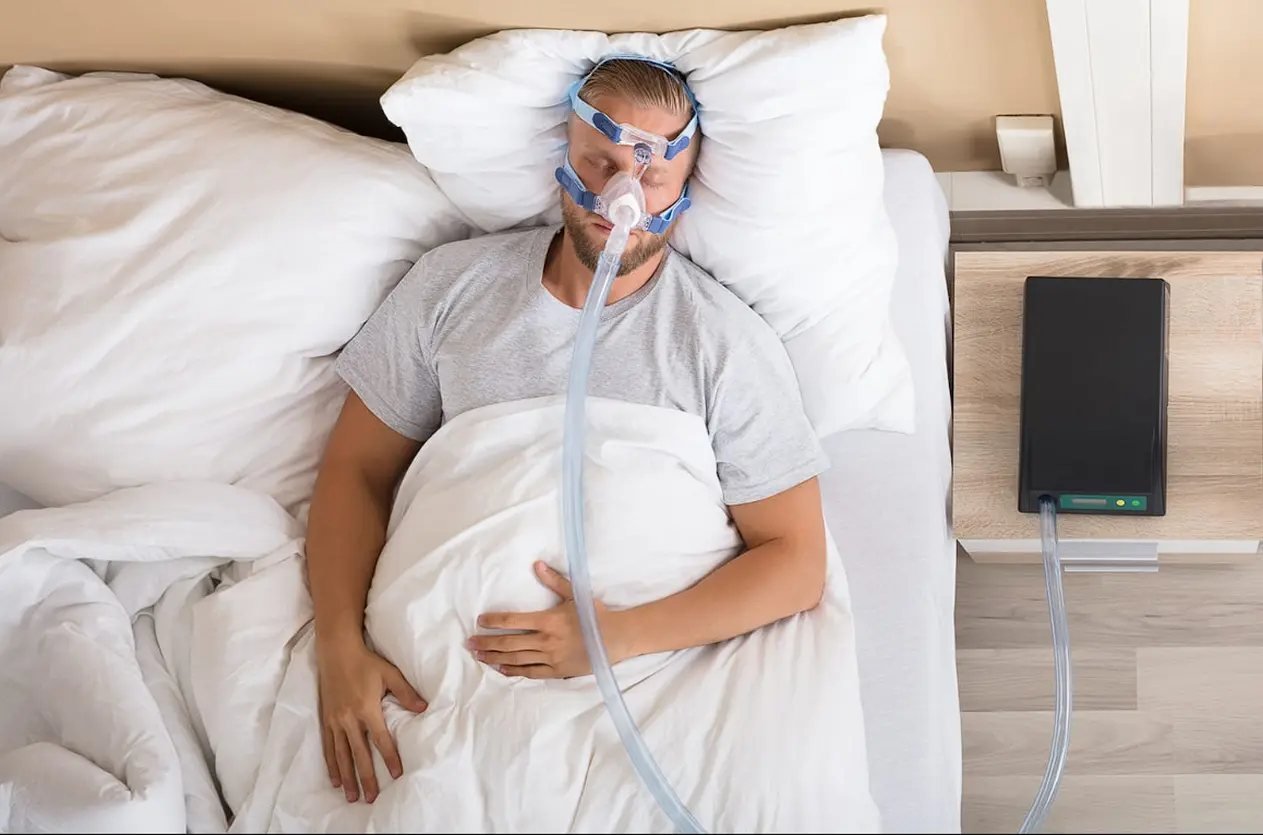
Continuous positive airway pressure, or CPAP, is the most commonly prescribed treatment for obstructive sleep apnea, and for many people it works well. The problem is that a large number of patients struggle to use it. The mask feels uncomfortable, the noise disrupts sleep, or it simply ends up abandoned in a drawer after a few weeks. If that sounds familiar, the good news is that CPAP is not the only path. There are several proven alternatives for treating sleep apnea, from custom oral devices to approaches that address the airway itself. This guide walks through the main options and how to figure out which one fits your situation.
Why patients look for sleep apnea alternatives
Most people search for sleep apnea alternatives because they cannot tolerate CPAP. Research on CPAP use consistently shows that a meaningful share of patients stop using it within the first year. When a treatment only works while it is worn, poor tolerance means poor results, which is why finding a workable alternative matters so much.
CPAP is genuinely effective when used consistently, and for severe cases it is often the recommended first choice. But comfort, claustrophobia, travel, noise, and mask fit lead many people to look elsewhere. The key point is that an alternative only helps if it actually treats your specific type of obstruction, so the goal is not just a different device but the right match for the cause of your apnea. You can read more about how obstructive sleep apnea works in our overview of sleep apnea and snoring and how it affects adults.
Oral appliance therapy
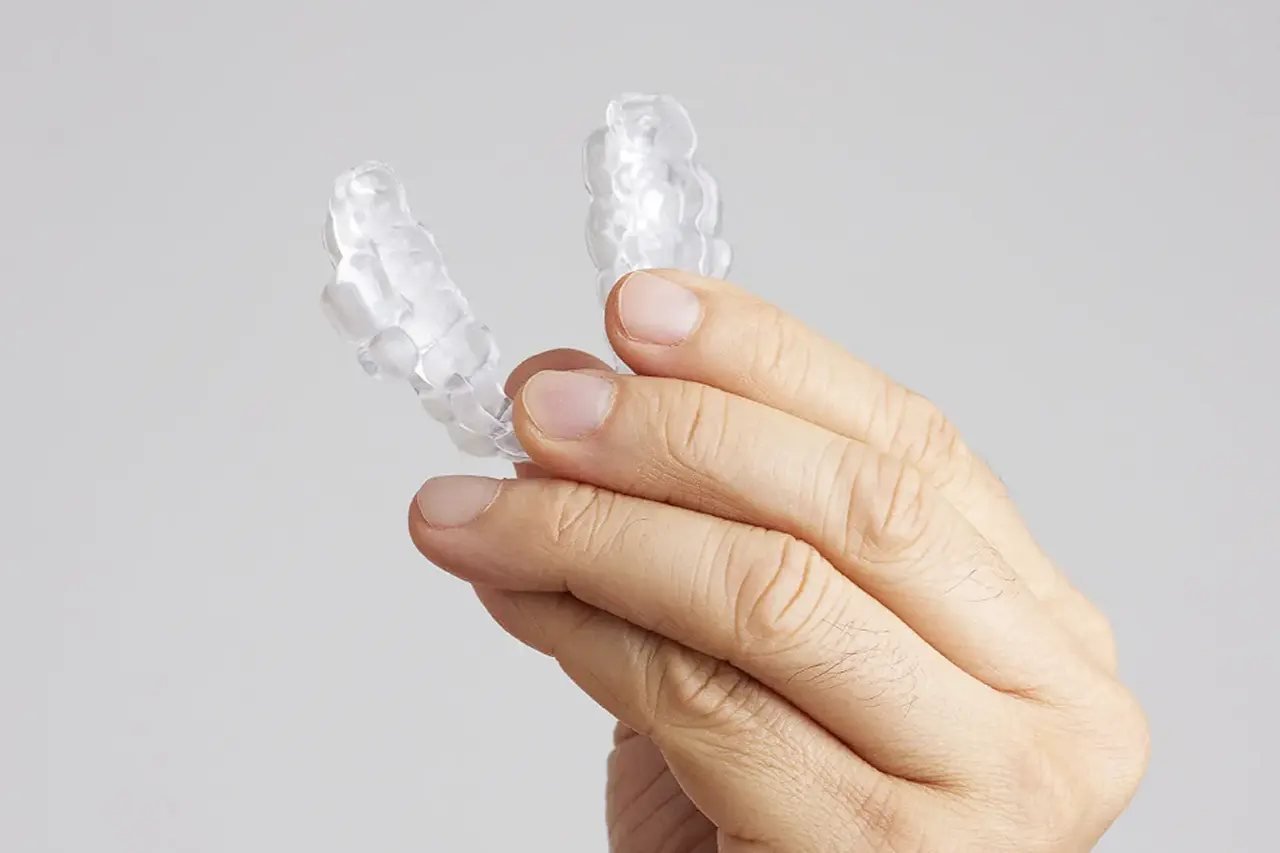
Oral appliance therapy is the most common non-surgical alternative to CPAP. These custom-fitted devices, often called mandibular advancement devices, gently hold the lower jaw and tongue forward to keep the airway open during sleep. They are compact, quiet, travel-friendly, and for many people much easier to wear consistently than a mask.
The American Academy of Dental Sleep Medicine recognizes oral appliance therapy as an established treatment for snoring and for mild to moderate obstructive sleep apnea, and as an option for people with more severe apnea who cannot tolerate CPAP. Because the appliance is custom made and adjusted by a trained dentist, fit and comfort are central to how well it works. It does have limits: when the obstruction comes mainly from the nose rather than the jaw and tongue, an oral appliance alone may not be enough.
Airway development appliances (DNA and Vivos)
A newer category of appliance goes a step further by working on the airway itself. Devices such as the DNA and Vivos systems are designed to gradually guide the widening of the upper jaw, creating more room for the tongue and a more open airway over a course of treatment, without surgery.
Unlike a standard oral appliance that repositions the jaw each night, this approach aims to change the underlying structure so the airway is less restricted. Treatment usually runs over a period of months and is guided by a provider trained in the system. Results vary from person to person, and it is not a fit for every case, but for the right candidate it can address the root of the obstruction rather than only managing it night to night. Related approaches like palatal expansion follow the same principle of creating more airway space.
Surgical options for sleep apnea
For some patients, especially those with severe sleep apnea or specific anatomical issues, surgery is an option. Procedures range from removing excess soft tissue in the throat to repositioning the jaws. Surgery can be effective, but it is more invasive and involves recovery time, so it is usually considered when other approaches are not suitable.
Common procedures include uvulopalatopharyngoplasty, which removes tissue from the soft palate and throat to widen the airway, and maxillomandibular advancement, which surgically moves the upper and lower jaws forward. In children, removing enlarged tonsils and adenoids is often the first-line treatment for sleep apnea in children. Because these carry greater risk and recovery than non-surgical options, they are typically reserved for cases where the anatomy clearly calls for them or where other treatments have not worked.
Lifestyle and supporting approaches
Not every case requires a device or surgery. For mild sleep apnea, and alongside other treatments, lifestyle and supporting measures can make a real difference. These include weight management, changing sleep position, treating nasal congestion and allergies, and retraining the muscles of the mouth and throat.
Sleeping on your side rather than your back can reduce airway collapse for some people. Managing allergies and nasal congestion helps keep the nasal airway clear, which supports breathing through the nose. Myofunctional therapy, a program of exercises that retrains the tongue and facial muscles, can help strengthen and reposition the muscles that support the airway, and it is often used to complement appliance therapy. These measures rarely replace treatment for moderate or severe apnea, but they can improve results and support the airway overall.
How to choose the right alternative
Choosing the right alternative starts with understanding what is causing your sleep apnea and how severe it is. A proper evaluation, including a sleep study when needed, identifies whether the obstruction comes from the jaw, the tongue, the nose, excess tissue, or a combination, which points toward the treatment most likely to work for you.
There is no single best alternative for everyone. The right choice depends on your diagnosis, your anatomy, the severity of your apnea, and your lifestyle. A sleep physician or a dentist trained in dental sleep medicine can walk you through the options and match them to your situation. If you are in the Orlando area and want to explore alternatives to CPAP, you can schedule a free consultation to have your airway and sleep assessed. The most important step is not picking a specific device, but getting evaluated so the choice is based on your actual cause.