
Summary: Teeth grinding (bruxism) during sleep is often more than a stress habit. Research has connected nighttime grinding to obstructive sleep apnea, where the body clenches and moves the jaw forward to protect the airway. A standard night guard may protect the teeth but doesn’t address the underlying breathing problem. An airway-focused evaluation can identify whether your grinding is stress-related or sleep-disordered breathing in disguise.
What this article covers
- What teeth grinding actually is
- Why grinding and sleep apnea are connected
- Signs your grinding may be airway-related
- What chronic grinding does to your teeth, jaw, and sleep
- Why a standard night guard often isn’t enough
- What an airway-focused evaluation includes
- Frequently asked questions
If your partner mentions the sound of grinding teeth at night, or your dentist points out flattened tooth surfaces and jaw tension, the standard advice is to manage stress and wear a night guard. That advice helps for some people. For others, it misses what’s actually causing the grinding.
Research over the last decade has built a strong case that nighttime teeth grinding is often a symptom of obstructive sleep apnea, not a habit. The connection changes how the problem should be evaluated and treated. This guide walks through the link, the signs to watch for, and what an airway-centered evaluation can reveal.
What teeth grinding actually is
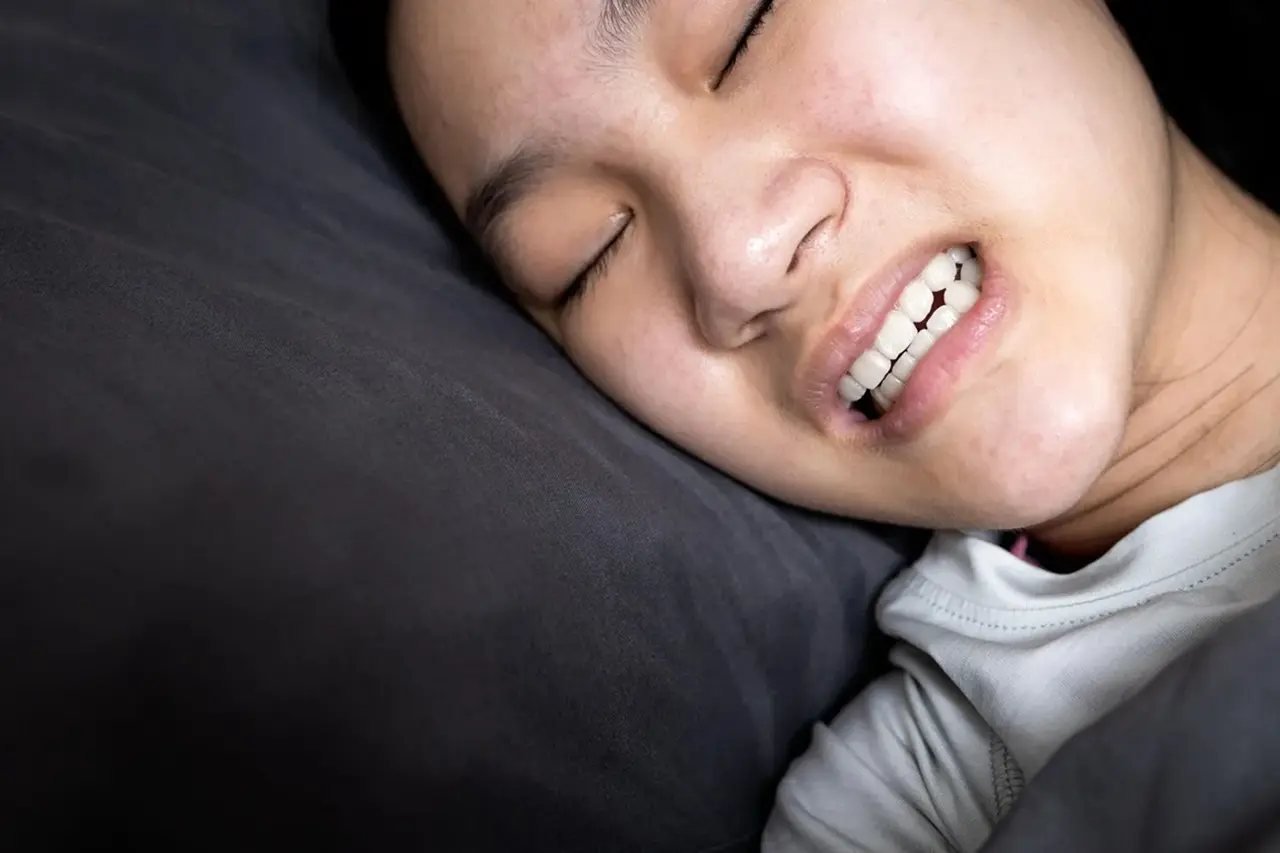
Bruxism is the medical term for involuntary clenching, grinding, or gnashing of the teeth. It happens during the day in some people, but the more clinically significant form happens during sleep, when the grinder has no conscious control over the behavior. Nighttime bruxism is often loud enough for a sleeping partner to notice and forceful enough to cause real damage to teeth over time.
Bruxism has historically been treated as a stress and anxiety symptom. That model still applies in some cases, but it’s incomplete. A growing body of sleep medicine research treats nighttime grinding as a sign of disrupted sleep, particularly sleep-disordered breathing. Facial pain, jaw tension, and bruxism evaluation at Breathing Wellness Orlando looks at the symptom from this broader angle.
Why grinding and sleep apnea are connected
When the airway narrows or closes during sleep, the body responds with a protective reflex. The jaw moves forward, the tongue lifts, and the throat muscles tense up to keep the airway open. Teeth grinding and clenching are believed to be part of this response. The body grinds and braces because the airway is in trouble, and the movement helps reopen it temporarily.
Studies in the Journal of Clinical Sleep Medicine and other sleep research publications have found a strong overlap between obstructive sleep apnea and nighttime bruxism. Many patients diagnosed with apnea also grind their teeth. Many patients with severe grinding turn out to have undiagnosed sleep-disordered breathing. The connection is meaningful enough that a comprehensive airway evaluation should consider both at the same time.
Signs your grinding may be airway-related
Grinding tied to airway issues usually comes with other clues. Snoring is the most common. Waking up tired despite a full night in bed is another. Morning headaches, especially across the temples or behind the eyes, often show up. So do dry mouth on waking, jaw soreness, and the feeling that sleep doesn’t restore energy.
Daytime symptoms matter too. Difficulty concentrating, mood changes, and afternoon fatigue can all point to disrupted sleep underneath the surface. If you have these signs together with grinding, the standard “stress and night guard” approach is likely missing the actual cause. Sleep, breathing, and airway evaluation for adults can help sort out which factor is driving your case.
What chronic grinding does to your teeth, jaw, and sleep
Years of nighttime grinding wear teeth down to the point where the bite changes, the smile shortens, and cosmetic restorations need replacement more often. The forces involved are far higher than normal chewing pressure, and the teeth weren’t designed to handle them night after night.
The jaw takes the same hit. Chronic clenching strains the muscles, joints, and ligaments that move the jaw, which can lead to TMJ pain, tension headaches, neck stiffness, and limited mouth opening. When the underlying cause is sleep apnea, the grinding also fragments sleep itself, contributing to daytime fatigue, mood issues, and the long-term health risks that come with untreated apnea.
Why a standard night guard often isn’t enough
A flat night guard is designed to protect the teeth from each other. It does that job reasonably well. What it doesn’t do is treat the underlying reason your jaw is clenching in the first place. If grinding is airway-driven, a night guard can actually make the situation worse for some patients by reducing airway space at the back of the throat.
Airway-focused dentists use different types of appliances when bruxism is connected to breathing issues. An oral appliance that opens the airway by holding the jaw slightly forward can address both problems at once, treating the apnea and reducing the grinding it causes. How airway-centered dentistry approaches occlusion and jaw function is part of why this distinction matters.
What an airway-focused evaluation includes
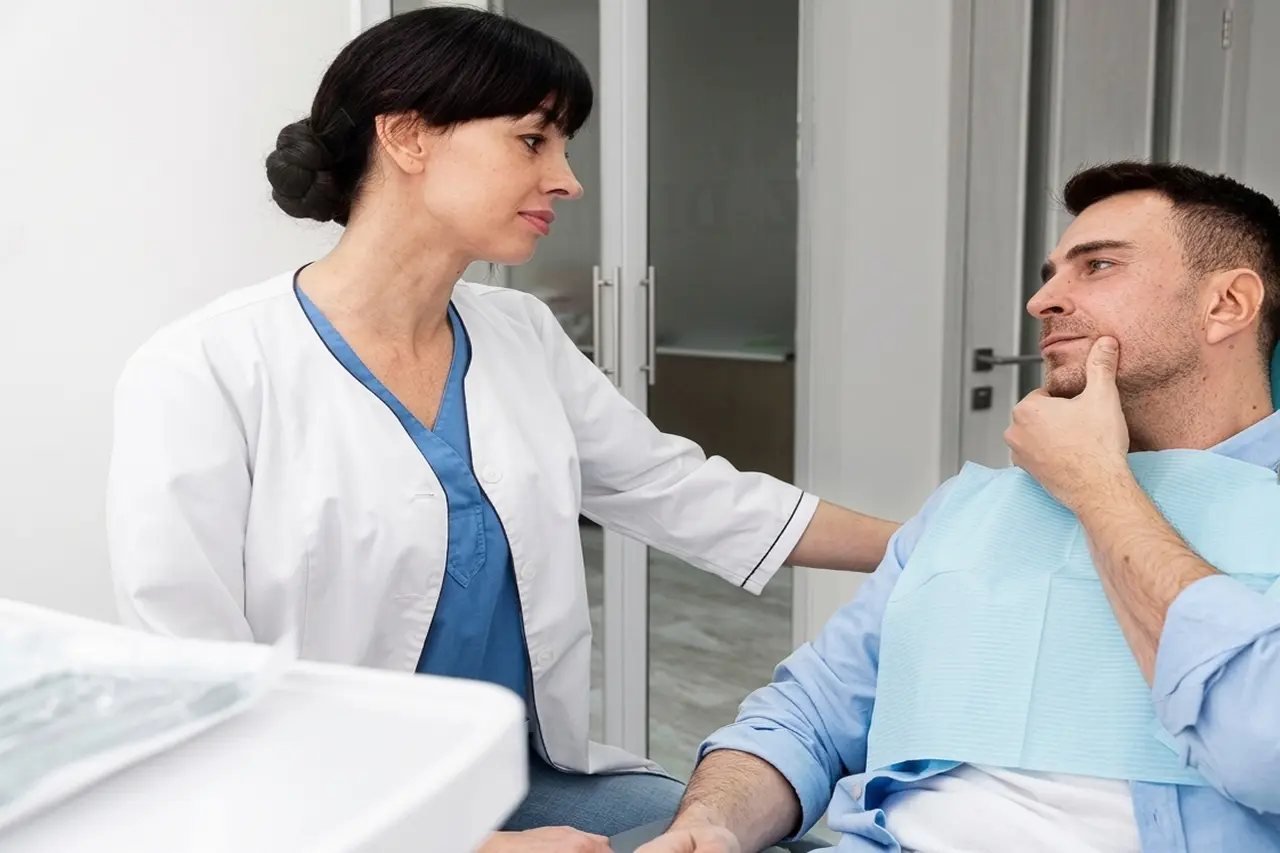
An airway-focused evaluation for bruxism looks at the teeth and jaw, but it also looks at how you breathe and sleep. It includes a detailed symptom history, a clinical exam of the joints, muscles, and bite, a look at how the airway is shaped, and a discussion of sleep quality, snoring, and daytime energy. Imaging may be part of it.
If sleep apnea is suspected, a sleep study confirms the diagnosis. From there, treatment can address both the grinding and the breathing together. A free adult sleep and airway self-screener is a useful first step if you’re not sure whether an evaluation is worth scheduling. It takes a few minutes and gives you a clearer sense of whether your symptoms point to an airway issue.