
Summary: Palatal expansion widens the upper jaw to create more room for the tongue, teeth, and airway. It is best known for children, but many adults can also benefit. While some adults need a surgical approach, non-surgical appliance therapy can gradually widen the palate in the right candidate. An evaluation determines which approach fits your anatomy.
What this article covers
- What is palatal expansion?
- Why it was thought to only work for children
- Can adults have palatal expansion without surgery?
- How non-surgical expansion works for adults
- What palatal expansion can help with
- What to expect and who is a candidate
- Frequently asked questions
If you have been told that palate expanders are only for kids, or that widening the palate as an adult requires surgery, you have heard the conventional wisdom, and it is only partly true. Palatal expansion is most straightforward during childhood, but the idea that adults are out of options is outdated. For many adults, a narrow upper jaw sits behind crowded teeth, a restricted airway, and even sleep and breathing problems, and there are now ways to address it, including non-surgical ones. This guide explains what palatal expansion is, whether it works for adults, and how the non-surgical approach compares to surgery.
What is palatal expansion?
Palatal expansion is a treatment that gradually widens the upper jaw, also called the maxilla. The palate is the roof of the mouth, and when it is too narrow, there is less room for the tongue, the teeth become crowded, and the airway can be restricted. Expansion uses a custom appliance to gently widen this structure over time.
The upper jaw is not a single solid bone. It is formed from two halves that meet at a seam down the middle of the palate, called the midpalatal suture. Expansion works by applying steady, gentle pressure that encourages this seam to widen and new bone to form in the space that opens. As the palate widens, the arch of the upper teeth widens with it, creating more room across the whole upper jaw. You can see how this fits into the practice’s palatal expansion therapy, which is used for both children and adults.
Why it was thought to only work for children
Palatal expansion is easiest in childhood because the midpalatal suture is still open and flexible, so it responds quickly to gentle pressure. As we age, that seam gradually fuses and becomes more rigid, which is why expansion was long considered a children-only treatment and why many adults were told surgery was their only option.
In a growing child, an expander can widen the palate in a matter of weeks. In adults, the more fused suture resists that kind of quick change, so the same approach used on children does not simply work the same way. For years this meant adults who needed more room in the upper jaw were offered either surgical expansion or nothing at all. What has changed is a better understanding of how the adult suture can still respond to the right kind of sustained, gentle stimulation, which has opened up non-surgical options that did not exist before.
Can adults have palatal expansion without surgery?
In many cases, yes. Adults have more than one path to a wider palate. Surgical approaches remain an option for significant cases, but non-surgical appliance therapy can gradually widen the palate in the right adult candidate. The best approach depends on how much expansion is needed and on your individual anatomy.
There are a few routes for adults. Surgically assisted expansion is used when a large, rapid change is required, and it involves a procedure to loosen the suture. Implant-supported expanders anchor to the bone for more force. The non-surgical option uses a custom removable appliance worn over a longer period, applying light, sustained guidance rather than rapid force, with the goal of encouraging gradual widening and airway improvement. This gentler approach appeals to adults who want to avoid surgery and who are addressing issues like a narrow airway or obstructive sleep apnea, not only crowding.
How non-surgical expansion works for adults
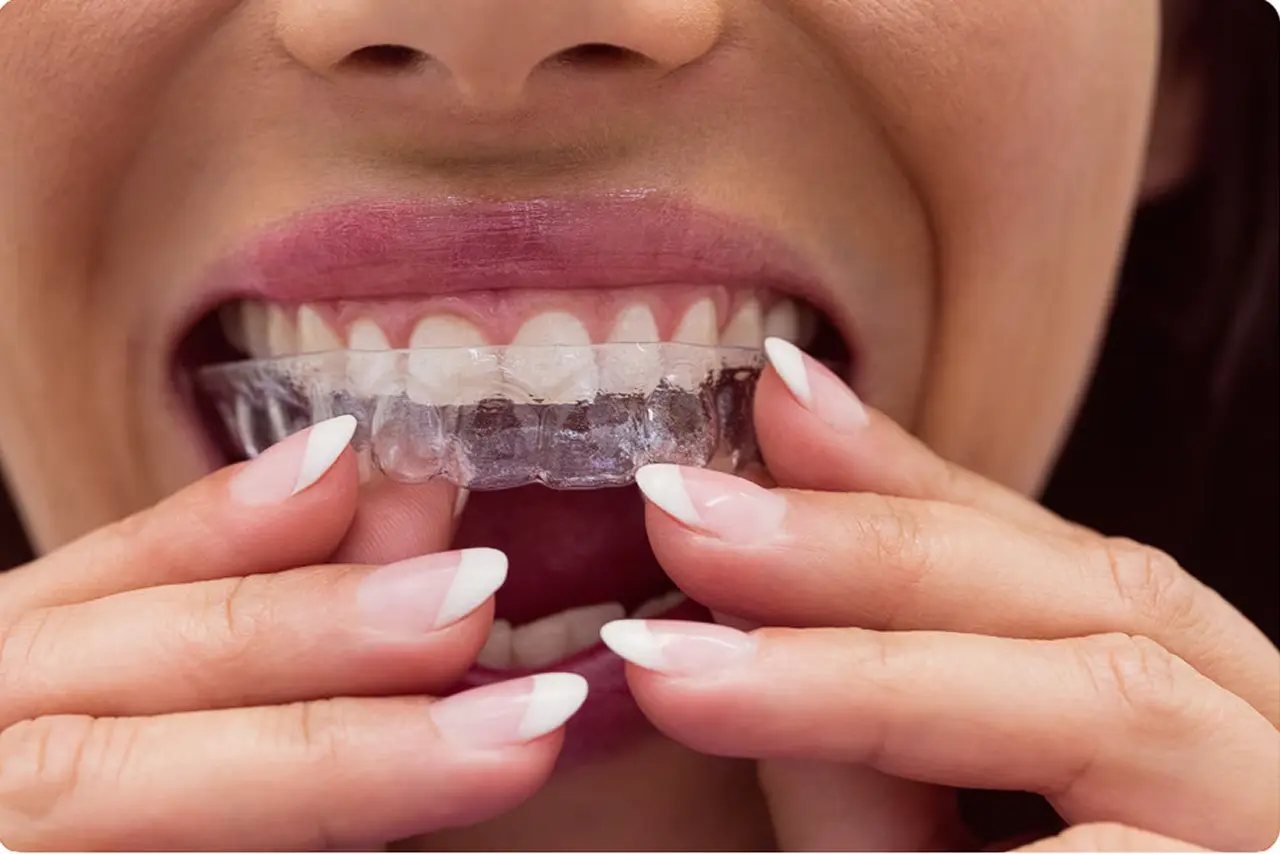
Non-surgical expansion for adults uses a custom appliance designed to apply gentle, intermittent force to the upper jaw over a course of treatment. Rather than forcing the suture open quickly, it works gradually, with the aim of encouraging the palate to widen and new bone to form in the space that opens up.
The DNA and Vivos appliance therapy is one example of this approach. The appliance resembles a retainer and is worn for a set number of hours a day and night. Because the force is light and applied over months rather than weeks, it is designed to work with the adult jaw rather than against it. Treatment is guided and adjusted by a trained provider over regular visits. It is often used alongside myofunctional orthodontics that retrains the tongue and facial muscles, since proper tongue posture helps support a wider palate. Results vary from person to person, and not every adult is a candidate, which is why evaluation comes first.
What palatal expansion can help with
A wider palate does more than make room for teeth. Because the upper jaw forms the floor of the nasal cavity and shapes the space for the tongue, widening it can improve nasal breathing, create more airway room, and support better tongue posture. For adults, this connects palatal expansion to snoring, sleep apnea, and crowding all at once.
Common reasons adults consider expansion include dental crowding that keeps returning, a high narrow palate, chronic mouth breathing, and airway or sleep issues. When the upper jaw is widened, the nasal airway can open, which supports breathing through the nose instead of the mouth, and the tongue gains room to rest against the palate. For people whose sleep apnea is driven by a narrow jaw, expansion can be one part of a broader treatment plan. Our guide to sleep apnea alternatives shows where appliance-based approaches fit among the options.
What to expect and who is a candidate
Whether palatal expansion is right for you depends on your anatomy, how much widening is needed, and your goals. The only way to know is an evaluation that looks at your jaws, your airway, and your bite. From there, a provider can recommend whether a non-surgical appliance, a surgical approach, or another treatment makes the most sense.
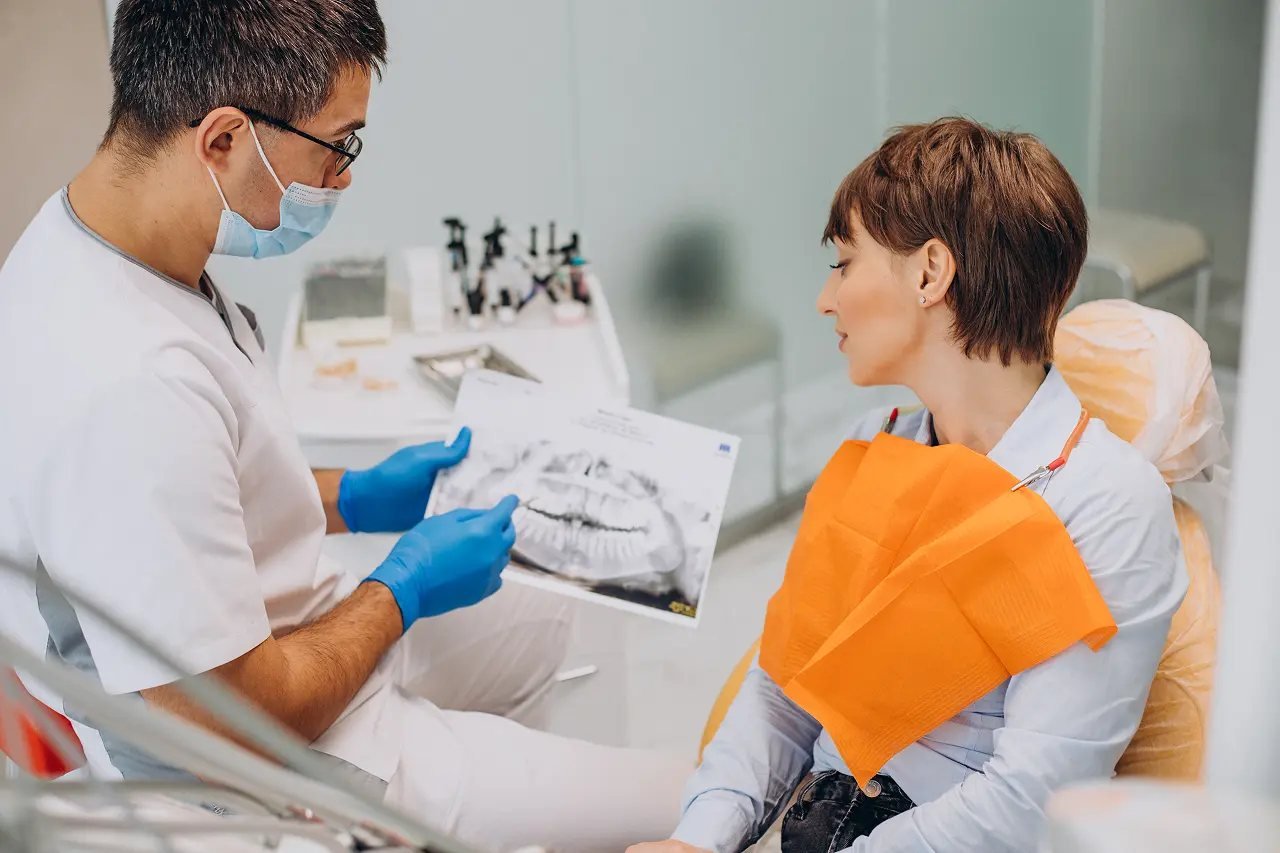
An evaluation typically includes an exam and imaging of your jaws and airway to measure the width of your palate and the space available for breathing. Treatment length varies, and non-surgical expansion usually runs over many months with regular adjustments. Because this is a health decision that depends on your specific anatomy, the goal is to match the approach to your case rather than assume one option fits everyone. If you are in the Orlando area and want to know whether you are a candidate, you can schedule a free consultation to have your palate and airway assessed.