Summary: The Vivos DNA appliance is a custom, removable oral device designed to treat sleep apnea by gradually developing the upper jaw and widening the airway, without surgery or a CPAP mask. Worn over a course of months, it aims to address the underlying cause of airway obstruction rather than only managing symptoms night to night.
What this article covers
- What is the Vivos DNA appliance?
- How the DNA appliance treats airway issues
- What the DNA appliance is designed to treat
- What to expect during treatment
- How Vivos compares to CPAP and standard oral appliances
- Is the DNA appliance right for you?
- Frequently asked questions
If you have looked into sleep apnea treatment and felt stuck between a CPAP machine you cannot tolerate and surgery you would rather avoid, you are not alone. Many people in Orlando come to us looking for something in between. The Vivos DNA appliance is one of those options. It is a non-surgical, removable device that works differently from a standard night guard: instead of just repositioning the jaw while you sleep, it is designed to develop the airway itself over time. This guide explains what the DNA appliance is, how it addresses airway issues, and how to tell whether it might be a fit for you.
What is the Vivos DNA appliance?
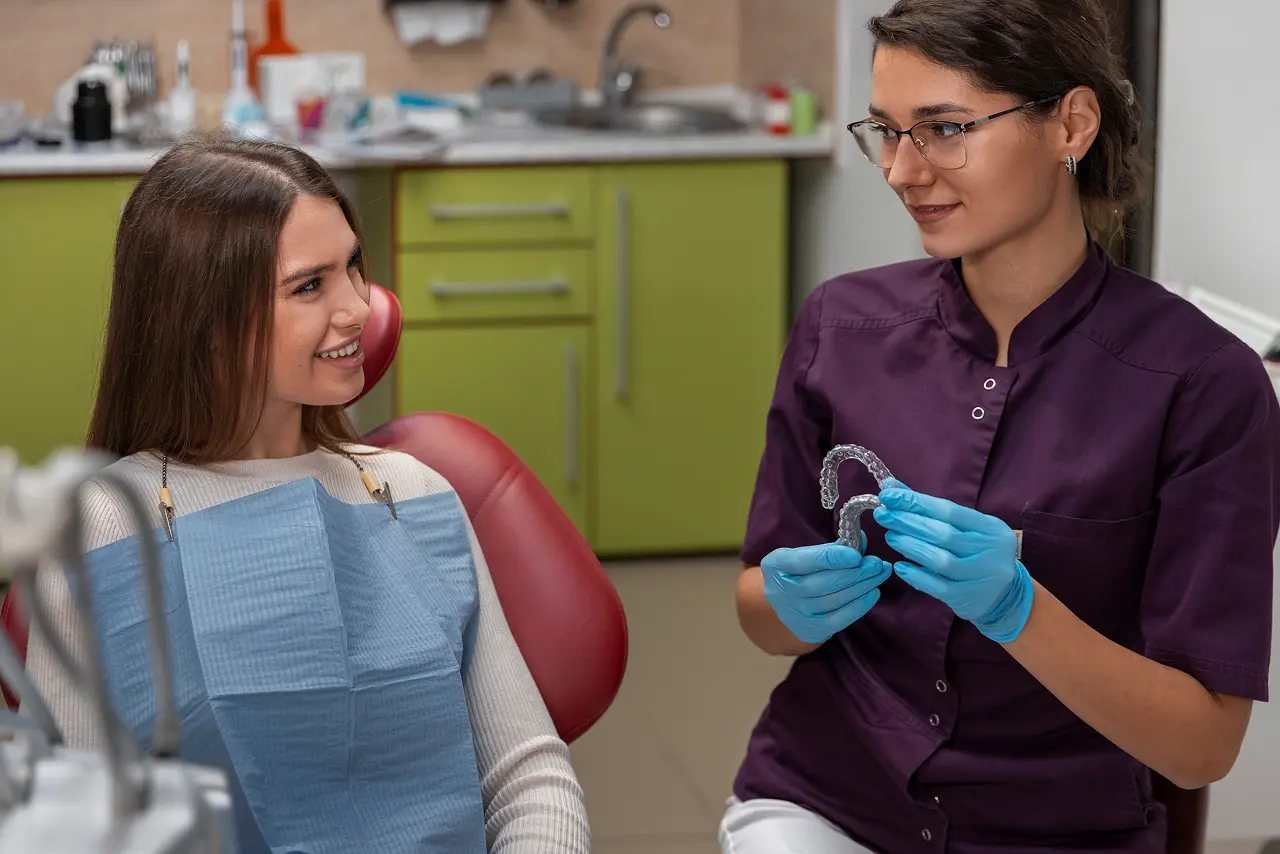
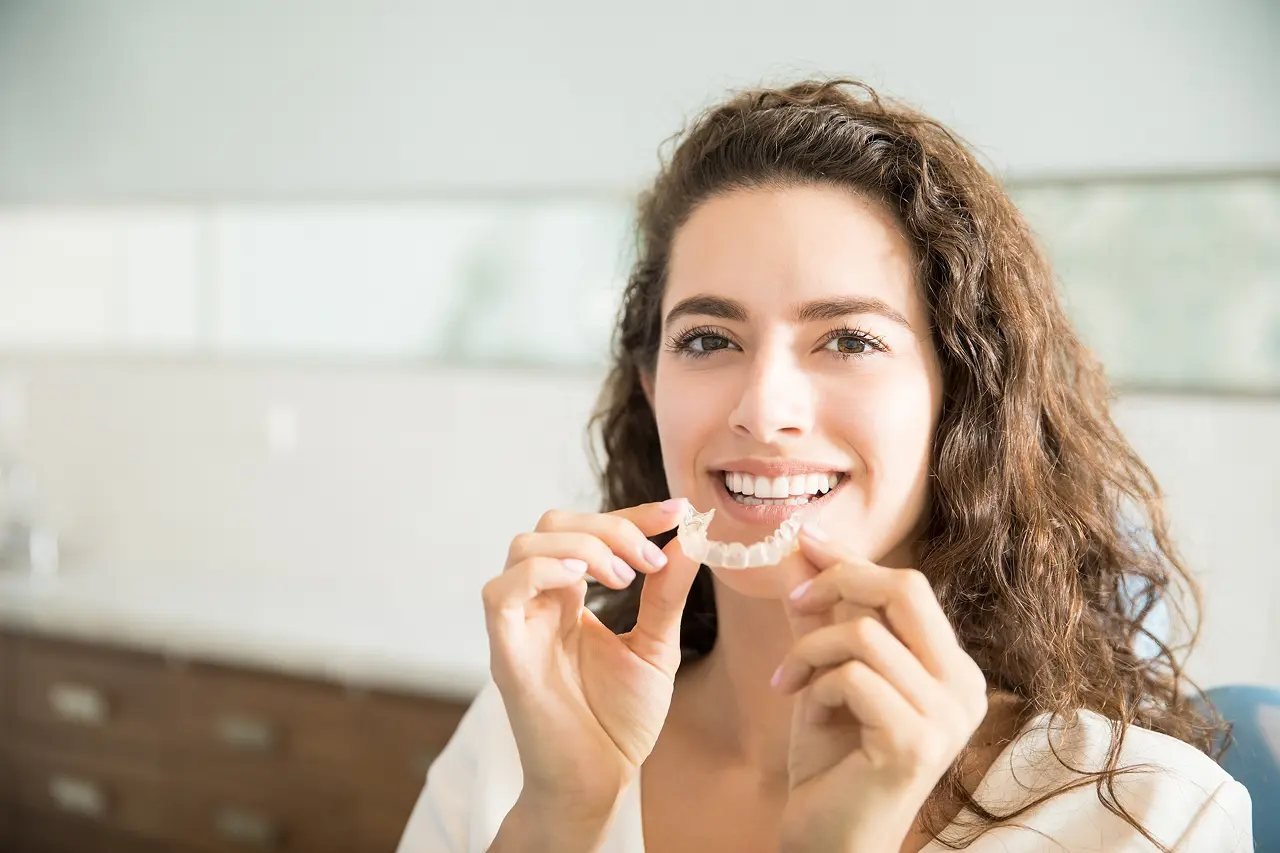
The DNA appliance, short for Daytime-Nighttime Appliance, is a custom-made, removable oral device from Vivos Therapeutics. It looks similar to a retainer and is worn for part of the day and overnight. Rather than forcing the jaw into a position, it applies gentle, gradual guidance intended to develop the upper jaw and open the airway.
It is part of a broader approach sometimes called biomimetic oral appliance therapy, which aims to work with the body’s own capacity for change rather than against it. The DNA appliance is the most widely used device in the Vivos system, which also includes related appliances for different needs. Because each device is custom made and adjusted by a trained provider, the fit and the treatment plan are specific to your anatomy. You can see how it fits into our DNA and Vivos appliance therapy and how the same principle supports palatal expansion.
How the DNA appliance treats airway issues
The DNA appliance treats airway issues by addressing a common root cause: an underdeveloped or narrow upper jaw. When the upper jaw is too narrow, there is less room for the tongue and a more restricted airway, which contributes to snoring and obstructive sleep apnea. The appliance is designed to gradually widen and develop that structure.
Worn for roughly 12 to 16 hours a day over a course of treatment, the appliance applies light, intermittent force that encourages the upper jaw to develop and the dental arch to widen. As the palate widens, the space for the tongue and the nasal airway can improve, which helps open the airway. The goal is a more open airway and less obstructed breathing during sleep. This is different from managing the problem only while a device is worn each night, and it is the reason this approach targets the cause of obstructive sleep apnea rather than only the symptoms.
What the DNA appliance is designed to treat
The DNA appliance is used for snoring and obstructive sleep apnea related to how the jaws and airway developed. Vivos appliances have received FDA clearance for treating obstructive sleep apnea, and it is best suited to obstruction driven by jaw and airway structure rather than by other causes.
In adults, the DNA appliance is cleared for mild to moderate obstructive sleep apnea, and the broader Vivos appliance line covers a wider range. In children ages 6 to 17, a version is cleared for moderate to severe cases. It is important to know that not every case of sleep apnea comes from jaw structure. When the main obstruction is from enlarged tonsils, significant nasal blockage, or other causes, a different treatment may be more appropriate, which is why a proper evaluation comes first. The appliance is also used to support arch expansion and alignment, which connects it to myofunctional therapy and orthodontics.
What to expect during treatment
Treatment with the DNA appliance is gradual. After an initial evaluation of your airway, jaws, and sleep, a custom appliance is made for you. You wear it for a set number of hours each day and night, and your provider adjusts it over regular visits as your jaw responds. The full course typically runs over many months.
Because the appliance is removable, it does not interfere with eating and is easier to keep clean than fixed hardware. Progress is monitored over time, and the plan is adjusted to your response. Treatment length varies from person to person depending on the starting anatomy and the goals, so your provider will give you a realistic timeline at your consultation. Results vary, and the appliance works best when worn consistently as directed. For a broader look at where Vivos fits among the choices, our guide to sleep apnea alternatives compares the main options.
How Vivos compares to CPAP and standard oral appliances
The main difference is what each treatment does. CPAP holds the airway open with pressurized air every night, and a standard oral appliance repositions the jaw each night. The DNA appliance instead works to develop the airway itself, with the goal of reducing obstruction over a course of treatment rather than only during use.
CPAP is effective and is often the first choice for severe apnea, but it only works on the nights it is worn, and many people find the mask hard to tolerate. A standard mandibular advancement device is portable and comfortable, but it also works only while in the mouth. The DNA approach aims at the underlying structure, which appeals to people looking to address the cause. None of these is automatically better for everyone, and the right choice depends on the type and severity of your apnea. A dentist trained in the Vivos system can help you weigh them honestly.
Is the DNA appliance right for you?
The DNA appliance may be a fit if your sleep apnea is linked to a narrow or underdeveloped jaw, you want a non-surgical option, and you struggle with or want to avoid CPAP. It is less suited when the obstruction comes mainly from other causes. The only way to know is a proper airway and sleep evaluation.
An evaluation looks at your airway, the shape of your jaws, and your sleep, often including a scan, to determine whether the DNA appliance or another approach makes the most sense for you. If you are in the Orlando area and want to find out, you can schedule a free consultation to have your airway assessed and your options explained. Because this is a health decision, the goal is to match the treatment to your specific cause, not to fit everyone into the same device.